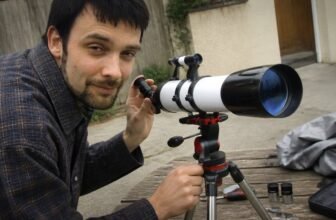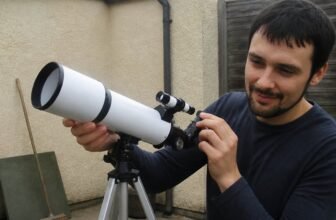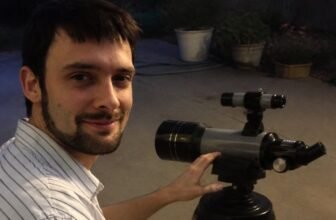
Shopping for a telescope often comes down to one question: should you prioritize automation or aperture? This roundup compares the NexStar 6SE and 8SE GoTo mounts, which can find 40,000 objects for you, against the Sky-Watcher Classic 200 Dobsonian, which offers 78% more light gathering but requires manual tracking.
Portability is part of the tradeoff, since the 8SE is not fully wireless and the Classic 200 needs a sturdy spot in your yard. We focus only on these two approaches, so you can weigh convenience against raw light collection.
Keep reading to see which setup matches your observing style.
How We Tested
Specifications matter when comparing these models because aperture size directly shapes what you will see, with larger mirrors and lenses gathering more light for brighter views of galaxies and nebulae. Look at the listed aperture and optical coatings on each telescope, such as the StarBright XLT finish, to judge how much fine detail they might reveal on planets like the Cassini gap in Saturn’s rings.
Value comes down to what is included versus what you will need to buy separately, as some packages include a GoTo mount with SkyAlign that locates tens of thousands of objects, while others require manual aiming. Compare the mount type and included accessories across telescopes, since a Dobsonian design like the Sky-Watcher Classic 250 offers a large aperture for deep sky observing without the extra cost of motorized tracking.
Editorial judgment helps you filter between models that trade off automation against sheer light collection, so decide whether you prefer app controlled Wi Fi mounts for effortless sessions or manual Dobsonians for hands on exploration. Weight the convenience features against the optical performance that suits your observing style, since the best pick depends on whether you want to chase faint objects automatically or learn the sky yourself.
| Celestron NexStar 6SE Computerized Telescope |  | Best GoTo Value | Aperture: 6 inches | Optical Design: Schmidt-Cassegrain | Mount Type: Computerized GoTo | SEARCH BEST PRICE | Read Our Analysis |
| Celestron NexStar Evolution 8 Telescope Bundle with Wi-Fi |  | Best Wi-Fi Bundle | Aperture: 15.25 inches | Optical Design: Schmidt-Cassegrain | Mount Type: Computerized GoTo | SEARCH BEST PRICE | Read Our Analysis |
| Sky-Watcher Classic 200 Dobsonian 8-inch Telescope |  | Best Beginner Dob | Aperture: 8 inches | Optical Design: Dobsonian (parabolic) | Mount Type: Manual Dobsonian | SEARCH BEST PRICE | Read Our Analysis |
| Sky-Watcher Skymax 180mm Maksutov-Cassegrain Telescope |  | Best Planetary Views | Aperture: 180mm (7.1″) | Optical Design: Maksutov-Cassegrain | Mount Type: None (OTA only) | SEARCH BEST PRICE | Read Our Analysis |
| Celestron NexStar 8SE Computerized Telescope |  | Most Popular Upgrade | Aperture: 8 inches | Optical Design: Schmidt-Cassegrain | Mount Type: Computerized GoTo | SEARCH BEST PRICE | Read Our Analysis |
| Celestron NexStar 4SE GoTo Telescope |  | Most Compact GoTo | Aperture: 4 inches | Optical Design: Maksutov-Cassegrain | Mount Type: Computerized GoTo | SEARCH BEST PRICE | Read Our Analysis |
| Sky-Watcher Flextube 250 Dobsonian 10-inch Telescope |  | Best Portable Dob | Aperture: 10 inches | Optical Design: Dobsonian (collapsible) | Mount Type: Manual Dobsonian | SEARCH BEST PRICE | Read Our Analysis |
| Yunseity 2 to 1.25 Inch Telescope Adapter Ring |  | Best Budget Adapter | Aperture: N/A (adapter) | Optical Design: N/A (adapter) | Mount Type: N/A | SEARCH BEST PRICE | Read Our Analysis |
| Celestron Advanced VX 9.25″ Schmidt-Cassegrain GoTo Telescope |  | Best Hybrid Mount | Aperture: 9.25 inches | Optical Design: Schmidt-Cassegrain | Mount Type: Computerized GoTo (equatorial) | SEARCH BEST PRICE | Read Our Analysis |
| Celestron Origin Mark II Intelligent Home Observatory |  | Best Smart Scope | Aperture: 152mm (5.98″) | Optical Design: Rowe-Ackermann Schmidt Astrograph (RASA) | Mount Type: Computerized GoTo (automated) | SEARCH BEST PRICE | Read Our Analysis |
| Sky-Watcher S11800 GoTo Collapsible Dobsonian 8-Inch (White) |  | Best Wi-Fi Dobsonian | Aperture: 8 inches | Optical Design: Dobsonian (collapsible) | Mount Type: Computerized GoTo (SynScan) | SEARCH BEST PRICE | Read Our Analysis |
| Sky-Watcher Classic 250 Dobsonian 10-inch Telescope |  | Best Large Aperture | Aperture: 10 inches | Optical Design: Dobsonian (classic) | Mount Type: Manual Dobsonian | SEARCH BEST PRICE | Read Our Analysis |
| Celestron NexStar 5SE GoTo Telescope |  | Editor’s Choice | Aperture: 5 inches | Optical Design: Schmidt-Cassegrain | Mount Type: Computerized GoTo | SEARCH BEST PRICE | Read Our Analysis |
| Celestron 8-inch Schmidt-Cassegrain Telescope |  | Best OTA Only | Aperture: 8 inches | Optical Design: Schmidt-Cassegrain | Mount Type: None (OTA only) | SEARCH BEST PRICE | Read Our Analysis |
| Sky-Watcher Classic 150 Dobsonian 6-inch Telescope |  | Best Compact Dob | Aperture: 6 inches | Optical Design: Dobsonian | Mount Type: Manual Dobsonian | SEARCH BEST PRICE | Read Our Analysis |
More Details on Our Top Picks
Celestron NexStar 6SE Computerized Telescope
Best for: An intermediate stargazer who wants automated target finding without learning star charts. This suits a backyard observer with a stable viewing spot and a desire to move past manual scopes.Biggest strength: The GoTo mount with SkyAlign cuts setup to minutes by letting you center any three bright objects, no names required. This removes the alignment learning curve while keeping the telescope usable right away.Not ideal if: You expect deep‑sky astrophotography from the included kit, since the mount tracks but the package lacks a camera adapter or autoguider. The 6‑inch aperture is solid for visual use, but verify your imaging goals before buying.How it compares: This is a compact Schmidt‑Cassegrain with a 6‑inch aperture, so it beats smaller tabletop scopes on light gathering for globular clusters and planetary bands. It fits a medium‑sized tripod, and the NexStar+ hand control lists over 40,000 objects, making it a ready‑to‑use package for visual astronomy.- Aperture:6 inches
- Optical Design:Schmidt-Cassegrain
- Mount Type:Computerized GoTo
- Connectivity:None
- Brand:Celestron
- Model:NexStar 6SE
- Additional Feature:SkyAlign fast setup technology
- Additional Feature:Iconic orange tube design
- Additional Feature:2-year US warranty
Celestron NexStar Evolution 8 Telescope Bundle with Wi-Fi
Best for: A backyard observer who wants phone control and reliable GoTo without learning star charts. The Wi-Fi link suits a beginner or intermediate user at a fixed home site, not a remote field setup.Biggest strength: The 8 inch Schmidt-Cassegrain optical tube collects enough light for bright views of deep-sky objects. Worm gears reduce backlash, so GoTo tracking stays steady for visual observing.Not ideal if: You need a portable scope, since the bundled unit is heavy and that weight adds to setup effort. Confirm the carrying case fits your car trunk before buying, as portability is the main tradeoff.How it compares: This bundle pairs the Wi-Fi equipped GoTo mount with a filter kit and case, so you get start-up extras rather than a bare tube. Compared to manual scopes, the automated tracking suits visual sessions, but imaging suitability is not specified in the provided facts, so treat it as a visual instrument first.- Aperture:15.25 inches
- Optical Design:Schmidt-Cassegrain
- Mount Type:Computerized GoTo
- Connectivity:Wi-Fi
- Brand:Celestron
- Model:NexStar Evolution 8 (bundle)
- Additional Feature:High-performance worm gears
- Additional Feature:Integrated Wi-Fi control
- Additional Feature:Aluminum carrying case included
Sky-Watcher Classic 200 Dobsonian 8-inch Telescope
The Sky-Watcher Classic 200 Dobsonian is an 8-inch Newtonian reflector on a Dobsonian mount made for observers leaving starter scopes. It delivers aperture that pulls in faint deep-sky targets such as galaxies.Best for: A backyard visual observer who wants deep-sky reach without paying for aligned mounts or electronics. This pick suits anyone ready to move up from a smaller tabletop or short-tube scope.Biggest strength: The 8-inch parabolic mirror collects 78% more light than a 6-inch, letting you see magnitude 14.2 objects as more than smudges. Tension handles and Teflon bearings let you track targets smoothly without fighting tube balance.Not ideal if: You expect a motorized mount or tracking for long-exposure imaging, because this scope is manual and visual only. You also need space to store a 45-pound unit, though the tube and base split separately for transport.How it compares: This scope skips GoTo and tracking entirely, focusing instead on raw aperture per dollar. Kit contents include 25mm and 10mm eyepieces with 2-inch barrels and a 2-inch Crayford focuser, so you can start observing immediately.- Aperture:8 inches
- Optical Design:Dobsonian (parabolic)
- Mount Type:Manual Dobsonian
- Connectivity:None
- Brand:Sky-Watcher
- Model:Classic 200 Dobsonian 8-inch
- Additional Feature:Patented tension control handles
- Additional Feature:Teflon bearings for smooth motion
- Additional Feature:Radian Aluminum Quartz coating
Sky-Watcher Skymax 180mm Maksutov-Cassegrain Telescope
The Sky-Watcher Skymax 180mm Maksutov-Cassegrain telescope is a 180mm aperture visual instrument built for high-contrast lunar and planetary observation. It pairs a fully baffled tube with a borosilicate mirror to deliver sharp detail on bright targets under dark skies.
Best for: Lunar and planetary hunters who want contrast-rich views from a fixed observing site. Its 180mm aperture and long focal length suit those prioritizing detail on the Moon and planets over deep sky objects.Biggest strength: The fully baffled tube stops stray light, keeping backgrounds dark so the Moon’s terminator and Jupiter’s bands appear razor sharp. The coated corrector plate and 94% reflective mirror boost light throughput for serious image punch.Not ideal if: Portability is a priority, since the tube is heavy and that bulk limits easy transport. It mounts to a standard tripod via the Vixen dovetail, but you must verify your tripod payload capacity before adding this tube.How it compares: This Maksutov-Cassegrain uses a closed baffled design rather than an open tube, which cuts glare at the cost of added weight. As a visual-only kit, it skips GoTo and tracking, so you rely on manual aiming and a stable mount for steady views.- Aperture:180mm (7.1″)
- Optical Design:Maksutov-Cassegrain
- Mount Type:None (OTA only)
- Connectivity:None
- Brand:Sky-Watcher
- Model:Skymax 180mm Maksutov-Cassegrain
- Additional Feature:Fully baffled tube design
- Additional Feature:94% reflectivity rating
- Additional Feature:Vixen-style dovetail bar
Celestron NexStar 8SE Computerized Telescope
Best for: The Celestron NexStar 8SE suits an intermediate stargazer who prefers automated object location over manual chart reading. This buyer wants a portable Schmidt-Cassegrain tube with a GoTo mount for quick evening sessions without heavy setup work.Biggest strength: Its 8-inch aperture pulls in enough light to show Jupiter’s cloud bands and lunar detail in visual views. The GoTo mount slews to over 40,000 objects and tracks them as you watch, so you spend time observing rather than hunting.Not ideal if: You need a fully wireless setup out of the box, since the NexStar+ hand control is wired unless you buy the optional wireless upgrade. The included 2-year US warranty and support apply only in the US, so verify coverage if you are outside that region.How it compares: This pick favors automation over manual adjustment, with SkyAlign letting you center three bright stars and get positioned in minutes. Compared to a manual telescope, the NexStar 8SE trades hands-on finding for tracking stability, but imaging suitability is not specified here beyond visual observation, so treat camera use as an unverified option.- Aperture:8 inches
- Optical Design:Schmidt-Cassegrain
- Mount Type:Computerized GoTo
- Connectivity:None
- Brand:Celestron
- Model:NexStar 8SE
- Additional Feature:SkyAlign fast setup technology
- Additional Feature:Iconic orange tube design
- Additional Feature:40,000+ object database
Celestron NexStar 4SE GoTo Telescope
Best for: Grab and go observers who want a compact 4 inch Maksutov Cassegrain on a GoTo mount. You get a 1000 millimeter focal length in a tube short enough to carry in one hand, and the wedge included in the box supports mounting for basic imaging later.Biggest strength: Sharp lunar and planetary views come from the long focal length optics. The GoTo mount with SkyAlign needs only three bright stars, even unnamed ones, to align and then slews through a 40,000 object database.Not ideal if: You expect wide field deep sky views, as the 4 inch aperture and f/13 focal ratio limit faint extended objects. Camera work is at entry level, with the built in wedge reducing field rotation, but no autoguider port or imaging payload is confirmed.How it compares: This is a compact GoTo scope, not a visual only grabber, so the mount’s database and alignment ease set it apart from manual alt az tubes. You also get a two year warranty and unlimited support, and the mount fits any Celestron accessory for expansion without switching systems.- Aperture:4 inches
- Optical Design:Maksutov-Cassegrain
- Mount Type:Computerized GoTo
- Connectivity:None
- Brand:Celestron
- Model:NexStar 4SE
- Additional Feature:Built-in wedge for polar alignment
- Additional Feature:High-contrast Maksutov-Cassegrain optics
- Additional Feature:Entry-level astrophotography capable
Sky-Watcher Flextube 250 Dobsonian 10-inch Telescope
The Sky-Watcher Flextube 250 Dobsonian is a 10-inch collapsible reflector built to reveal faint deep sky objects. Its large aperture and high reflectivity deliver views that surpass smaller beginner scopes under dark skies.
Best for: A visual observer with a dark sky site who wants a portable, large aperture telescope for galaxies and nebulae. Fully assembled weight is 40 pounds.Biggest strength: The 250mm aperture collects enough light to show faint galaxies that smaller scopes miss. Borosilicate mirrors with multi coatings reach 94% reflectivity.Not ideal if: You need a single piece that stays set up, since the collapsible struts require assembly before each use. This is a manual Dobsonian mount with no motor or tracking.How it compares: It fits between rigid tube Dobs and smaller portables, trading some setup time for transportability. The 2 inch Crayford focuser accepts both 2 inch and 1.25 inch eyepieces.- Aperture:10 inches
- Optical Design:Dobsonian (collapsible)
- Mount Type:Manual Dobsonian
- Connectivity:None
- Brand:Sky-Watcher
- Model:Flextube 250 Dobsonian 10-inch
- Additional Feature:Collapsible strut design
- Additional Feature:Patented tension control handles
- Additional Feature:8×50 right-angle finder scope
Yunseity 2 to 1.25 Inch Telescope Adapter Ring
The Yunseity 2 to 1.25 Inch Telescope Adapter Ring connects smaller eyepieces to larger focusers. It turns a mismatched setup into a stable, secure fit for a night of observing.
Best for: Intermediate stargazers using a 2 inch focuser who want to keep using their existing 1.25 inch eyepieces. It suits lunar and planetary viewing on larger telescopes where the focuser opening is bigger than the eyepiece barrel. The clamping screw tightens over a wide area, so you get a firm hold without adjusting multiple points.Biggest strength: The anodized aluminum body resists corrosion, which keeps the connection dependable over time. One wrench turn on the clamping screw secures the adapter, giving you a solid link before you start viewing. The brass ring protects the eyepiece barrel from scratches when you insert or remove it.Not ideal if: You need to attach a 2 inch eyepiece or camera with a larger barrel, since this reducer only steps down to 1.25 inches. Check that your focuser has internal threads that match this adapter, as the fit depends on that threading. This is a two size adapter only, so it will not bridge other barrel diameters.How it compares: This is a direct reducer rather than a universal fitting, so it trades flexibility for a simple, wobble free connection. For visual work, it keeps your eyepieces steady; for DSLR photography, it adapts the same 1.25 inch barrel to the larger focuser. The internal threads do the clamping, which means no separate collar pieces to lose or replace.- Aperture:N/A (adapter)
- Optical Design:N/A (adapter)
- Mount Type:N/A
- Connectivity:None
- Brand:Yunseity
- Model:2 to 1.25 Inch Adapter Ring
- Additional Feature:Brass protector ring included
- Additional Feature:Anodized aluminum alloy construction
- Additional Feature:Clamping screw for secure fit
Celestron Advanced VX 9.25″ Schmidt-Cassegrain GoTo Telescope
The Celestron Advanced VX 9.25 is a Schmidt-Cassegrain telescope designed for observers who have outgrown starter gear and want brighter, sharper views. Its 235mm aperture and 9.25-inch optical tube deliver serious light gathering for detailed planetary and deep-sky observation.
Best for: An intermediate observer ready to upgrade from a starter scope for high-power lunar, planetary, and bright deep-sky viewing. This setup suits a fixed backyard site where the mount’s weight is less of a concern.Biggest strength: The 235mm aperture with StarBright XLT coatings pulls in enough light to split binary stars and reveal Cassini’s gap in Saturn’s rings. The Advanced VX mount tracks smoothly to keep those views centered during long sessions.Not ideal if: You need a grab-and-go scope for frequent travel, since the steel tripod and heavy tube are not portable. Confirm the mount’s payload rating fits your planned camera and accessories before buying.How it compares: This package is a step up from smaller-aperture GoTo scopes because the larger tube resolves finer detail at up to 555x magnification. The included NexStar+ hand control with 40,000 objects and a 2-year warranty make it a complete kit for systematic observing, not a bare tube.- Aperture:9.25 inches
- Optical Design:Schmidt-Cassegrain
- Mount Type:Computerized GoTo (equatorial)
- Connectivity:None
- Brand:Celestron
- Model:Advanced VX 9.25″ Schmidt-Cassegrain
- Additional Feature:StarBright XLT coatings
- Additional Feature:555x highest useful magnification
- Additional Feature:Steel tripod included
Celestron Origin Mark II Intelligent Home Observatory
Best for: An intermediate stargazer with a fixed backyard setup who wants deep-sky images without learning manual alignment. The 152mm aperture and RASA design pull faint light fast, so you spend time capturing instead of fiddling with settings.Biggest strength: The Rowe-Ackermann Schmidt Astrograph optical design gives a flat, razor-sharp field across the whole image, so galaxies and nebulas stay crisp edge to edge. That flat field also lets the Sony Starvis 2 sensor record detail without distortion, which is a direct boost to your final photo quality.Not ideal if: You plan to travel with it, because the intelligent home observatory is built to stay put and run itself, not to be packed up each night. The price is high for visual-only users, since you pay for automated imaging features you might not use.How it compares: This is a camera-first instrument, not a visual scope, so its strength is automated deep-sky capture rather than eyepiece views. StarSense handles the alignment for you, while the included Plössl eyepiece is a bonus for quick looks, not the main draw.- Aperture:152mm (5.98″)
- Optical Design:Rowe-Ackermann Schmidt Astrograph (RASA)
- Mount Type:Computerized GoTo (automated)
- Connectivity:Wi-Fi (StarSense)
- Brand:Celestron
- Model:Origin Mark II
- Additional Feature:Rowe-Ackermann Schmidt Astrograph optics
- Additional Feature:Sony Starvis 2 sensor
- Additional Feature:StarSense automated alignment
Sky-Watcher S11800 GoTo Collapsible Dobsonian 8-Inch (White)
Best for: A backyard observer wanting automated object location without a permanent setup. This pick targets first time GoTo buyers who value phone control over equatorial precision. That buyer gets a large mirror that fits in a car trunk.Biggest strength: The SynScan GoTo finds more than 42,000 objects via Wi Fi from your phone. This removes cord tangles and tabletop hand controllers, so setup stays simple. Faint galaxies come into view fast, and you can share the phone screen with guests.Not ideal if: You expect astrophotography ready tracking, as GoTo placement is not the same as guided imaging. The 57 pound total split between a 24 pound tube and 33 pound base needs two trips from the car. Verify the built in battery life before long sessions, as the text does not list runtime.How it compares: This is a collapsible 8 inch Dobsonian with app control, a format that keeps the price below motorized equatorial mounts. The 94 percent reflective mirrors sharpen views for the money, and the strut holds collimation while collapsed. It fits a trunk rather than a permanent pier, making it a portable alternative to fixed observatory scopes.- Aperture:8 inches
- Optical Design:Dobsonian (collapsible)
- Mount Type:Computerized GoTo (SynScan)
- Connectivity:Wi-Fi
- Brand:Sky-Watcher
- Model:S11800 GoTo Collapsible Dobsonian 8-Inch
- Additional Feature:Collapsible strut design
- Additional Feature:42,000+ object database
- Additional Feature:All-metal gearing on motors
Sky-Watcher Classic 250 Dobsonian 10-inch Telescope
Sky-Watcher’s Classic 250 is a 10-inch Dobsonian that gathers enough light to pull faint galaxies into view. Its large aperture and smooth manual mount make deep-sky observing straightforward for anyone ready to move beyond a starter scope.
Best for: A visual observer with dark-sky access who wants maximum aperture for the lowest cost. Target faint nebulae or globular clusters; the 10-inch mirror collects light that smaller scopes miss.Biggest strength: The 10-inch, multi-coated mirror is 94% reflective, so it delivers bright views of galaxies. The Teflon bearing mount moves smoothly, so tracking an object at high power stays steady.Not ideal if: You need to carry it far from a vehicle, because the scope weighs 53 pounds. There is no motor or GoTo, so you must find and track targets by hand.How it compares: As a beginner-friendly, low-cost giant, it fits between small tabletop Dobsons and heavier truss designs. The included Crayford focuser and two wide-angle eyepieces reduce extra purchases, though the finder is a 9×50 unit, not a larger right-angle version.- Aperture:10 inches
- Optical Design:Dobsonian (classic)
- Mount Type:Manual Dobsonian
- Connectivity:None
- Brand:Sky-Watcher
- Model:Classic 250 Dobsonian 10-inch
- Additional Feature:Patented tension control handles
- Additional Feature:Teflon bearings for smooth motion
- Additional Feature:Simple traditional Dobsonian structure
Celestron NexStar 5SE GoTo Telescope
Best for: Intermediate stargazers who want automatic target finding without learning star charts. It suits a backyard setup with reasonably dark skies, not a bright-city balcony.Biggest strength: The GoTo mount slews to 40,000 objects on its own. SkyAlign requires only three bright stars and no names, so setup stays quick even for a beginner to GoTo systems.Not ideal if: You expect galaxy views from light-polluted skies; the 5-inch aperture needs dark skies for those faint targets. You also need to buy a wedge separately for astrophotography, so it is not ready for imaging out of the box.How it compares: This is an editor’s choice pick for skipping manual finding, not a ranking against other models. The included GoTo and two-year warranty with phone support make it a practical upgrade path, while the optional wedge turns it into a camera platform later.- Aperture:5 inches
- Optical Design:Schmidt-Cassegrain
- Mount Type:Computerized GoTo
- Connectivity:None
- Brand:Celestron
- Model:NexStar 5SE
- Additional Feature:Integrated wedge for polar alignment
- Additional Feature:SkyAlign fast setup technology
- Additional Feature:Iconic orange tube design
Celestron 8-inch Schmidt-Cassegrain Telescope
The Celestron 8-inch Schmidt-Cassegrain optical tube assembly (OTA) is a high-performance telescope for owners of a sturdy mount, delivering bright, detailed planetary views. You get the optical tube only, so your existing mount controls stability and tracking.
Best for: An amateur with a solid CGE class mount who wants a compact, powerful telescope without buying a new tripod. This OTA turns that mount into a serious planetary instrument.Biggest strength: The 8 inch aperture combined with StarBright XLT coatings gathers light efficiently for crisp views of Jupiter’s bands. At f/10, this is a dedicated planetary focal ratio, and the included dovetail bar fits CGE mounts for smooth tracking.Not ideal if: You lack a mount, since this is a tube only and you would need to source a tripod and head separately. The 13.9 inch length makes it portable, but the lack of a GoTo system means you manually aim unless your mount provides that feature.How it compares: This OTA slots into an existing setup as a single upgrade, unlike a full telescope kit that includes a tripod. It is Fastar compatible, so you can add a camera later, but the included 25mm eyepiece and 6×30 finder are for visual use only.- Aperture:8 inches
- Optical Design:Schmidt-Cassegrain
- Mount Type:None (OTA only)
- Connectivity:None
- Brand:Celestron
- Model:8-inch Schmidt-Cassegrain (model 91024-XLT)
- Additional Feature:Fastar compatible design
- Additional Feature:StarBright XLT coatings
- Additional Feature:Dovetail slide bar mount
Sky-Watcher Classic 150 Dobsonian 6-inch Telescope
The Sky-Watcher Classic 150 Dobsonian 6-inch Telescope pairs a compact, easy to store tube with a 150mm aperture that gathers enough light for deep sky objects. Its 1200mm focal length and fully multi-coated mirrors, at 94% reflectivity, deliver crisp planetary views without the cost of fancy optics.
Best for: The intermediate stargazer seeking a portable dob with generous light grasp. This scope fits a balcony or small car trunk while still resolving Saturn’s rings and brighter galaxies.Biggest strength: Fully multi-coated mirrors deliver 94% reflective views, maximizing contrast on the Moon and planets. Combined with the 1200mm focal length, this pulls in fine planetary detail without extra cost.Not ideal if: You want grab and go portability, since the 40 pound total weight is portable but not light. Also verify your eyepiece field preferences; the included wide angle eyepieces suit low power sweeps but their exact focal lengths are not specified here.How it compares: Against larger dobs, this 6 inch model trades some aperture for a compact tube that needs no perfect balance, thanks to tension control handles. It fits the niche of a manual, altazimuth dob that glides on Teflon bearings, offering smooth nudging for visual use without GoTo or tracking.- Aperture:6 inches
- Optical Design:Dobsonian
- Mount Type:Manual Dobsonian
- Connectivity:None
- Brand:Sky-Watcher
- Model:Classic 150 Dobsonian 6-inch
- Additional Feature:Patented tension control handles
- Additional Feature:Teflon bearings for smooth motion
- Additional Feature:Rack-and-pinion focuser
Factors to Consider When Choosing Telescopes for Intermediate Users
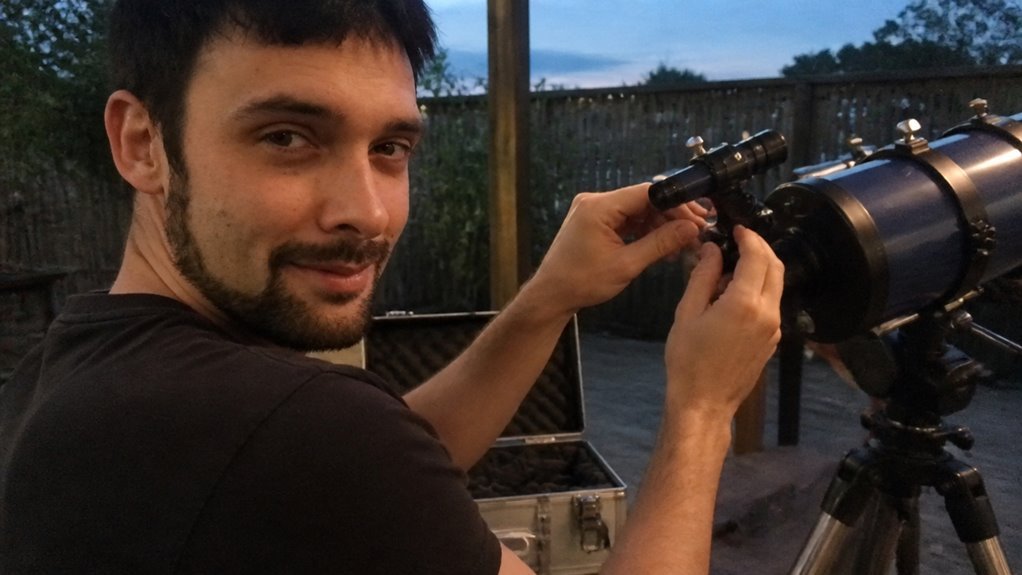
Aperture is the most important spec for gathering light, so start there. That is the size of your main lens or mirror.
But mount tracking accuracy matters too, because it keeps objects centered as Earth spins. A computerized GoTo system is convenient, since it finds targets for you.
Portability also counts. A 60-pound tube that you have to haul to your car is a real buzzkill.
Optical coatings boost contrast and reduce glare. Weigh these factors against your typical observing style before you spend $500 on a new scope.
A great telescope you actually use beats a perfect one that stays in the garage.
Aperture and Light Gathering
Aperture size determines how much light your telescope collects, and it shapes everything you see. That light-gathering power scales with the square of the aperture. A 10 inch scope grabs 56% more photons than an 8 inch, which makes the difference between smudges and resolved spiral arms.
Extra aperture also improves resolution and contrast. It splits close double stars and brings out subtle planetary bands. For most intermediate users, 8 to 10 inches hits the sweet spot. It delivers serious capability while staying portable enough for a Tuesday night session.
An 8 inch reaches magnitude 14, and a 10 inch reaches 14.7. That extra reach translates directly into more visible objects.
Choose the largest aperture you can set up and move without hesitation. Your back may complain, but your eyes will thank you.
Mount Tracking Accuracy
Tracking accuracy decides whether a large aperture delivers crisp detail or smeared light. A big scope collects photons, but a flimsy mount turns them into blurry smudges. You need a mount that holds steady, or you are just photographing toothpaste tubes.
Equatorial mounts win for deep-sky imaging because they rotate one axis parallel to Earth’s axis, canceling the planet’s spin. Alt-azimuths move up-down and left-right, which causes field rotation in long exposures. They are fine for planets, but awful for faint galaxies.
Look for periodic error correction (PEC). It fixes gear wobble, shrinking errors from arcminutes to arcseconds.
Advanced mounts hold under 5 arcseconds per minute, keeping Mars crisp at 200x magnification. Think of the mount like a waiter carrying soup: smooth, slow, no sloshing.
Check the worm-drive quality before you buy. My first mount made stars look like comets.
Buy the best equatorial tracking you can afford. Your images will thank you.
Computerized GoTo Systems
Convenience has a price, but for intermediate stargazers, a GoTo mount is less a luxury and more a sanity saver.
SkyAlign lets you center any three bright stars, no names needed. The mount calculates its position in minutes, saving you from chart fumbling.
- It tracks over 40,000 objects automatically via motorized drives and digital encoders.
- High-performance worm gears cut backlash, so long imaging sessions stay sharp.
- Wi-Fi modules allow phone control, which is a lifesaver for neck strain.
Consider the Celestron NexStar 8SE. Its database is deep, and tracking is rock solid for the price.
If you dread manual alignment, GoTo is your best friend. It is worth every penny to save your sanity.
You will thank me later. Trust me. It is that easy.
Portability for Transport
Portability matters only if the scope actually leaves your trunk. A solid-tube 8-inch Dobsonian splits into a 20 lb tube and a 25 lb base, so you either make two trips or bring a cart. You will sweat before you see Saturn.
Collapsible truss designs shrink the longest dimension by 30 to 40 percent, which lets them fit into a compact car’s trunk easily. A Schmidt-Cassegrain under 10 inches keeps the whole tube under 25 lbs, so one trip with a sturdy tripod is realistic.
- Solid-tube Dob: Heavy, awkward, but simple.
- Truss-tube: Easier to pack, more setup time.
- SCT/Mak: Bulky but manageable.
Setup runs 5 to 15 minutes, and multi-piece mounts add another 5 to 10. For travel, choose modular, light gear. Buy what you will actually haul.
Optical Coatings Impact
Most intermediate scopes ship with decent coatings, but the difference between decent and great is where faint galaxies either vanish or pop.
Fully multi-coated optics, like 94% reflective borosilicate mirrors, do the heavy lifting. The quartz overcoat fights oxidation, which keeps reflectivity high for years of use.
Better coatings buy you less light lost at each air-to-glass surface, which is vital for dim targets. Contrast improves because internal reflections scatter less. Faint galaxies hold steady instead of washing out.
A scope with StarBright XLT coatings runs roughly 15% more, but lunar detail and planetary bands pop noticeably. Skip anything with single-coated optics. Your eyes and your patience will thank you.
Expandability and Accessories
A 2-inch focuser accepts both 2-inch and 1.25-inch eyepieces, giving you more glass for your money. Expansion keeps the hobby interesting, while a dead-end setup limits what you can do.
A GoTo mount with a 40,000-object database lets you skip star charts entirely. Add a wedge for polar alignment to stop field rotation during long exposures. Vixen-style dovetails keep finders, diagonals, and mounts interchangeable.
Want wireless control from your smartphone? Ditch the hand controller. That path keeps the hobby open, not closed.
Frequently Asked Questions
How Often Should I Collimate My Dobsonian Mirror?
Check your Dobsonian mirror’s collimation at the start of every session, but you will only need to adjust it when stars appear as comets or the view turns mushy. In practice, this usually means tweaking the alignment every few outings, especially after transporting the telescope.
Collimation drifts with handling and temperature changes, so a quick star test each night is your best guide. If you see a comet-like flare around a bright star, recheck the secondary mirror first, then the primary.
No exact aperture or focal length matters here, as the procedure is the same for any Dobsonian. Verify your tool’s fit and the lock screws’ sequence in the manufacturer’s manual, since designs vary.
Do not expect photographic sharpness; visually, a perfectly collimated scope shows round, tight star points, while camera images may reveal slight aberrations you can ignore at the eyepiece.
What Is the Best Eyepiece for Planetary Viewing?
For planetary viewing, the best eyepiece is a 6-8mm Plössl with a fixed focal length, as it delivers the sharpest high-power views. Avoid cheap zoom eyepieces, since their internal mechanisms can smear fine detail on Jupiter or Saturn.
Instead, choose a single focal length that matches your telescope’s aperture. A good rule is to aim for a magnification around 30x to 40x per inch of aperture, so for a 6-inch scope, look for an eyepiece giving roughly 180x to 240x.
Check your scope’s focal length to calculate the exact millimeter size. Divide the telescope’s focal length by your target magnification to find the eyepiece size. Verify the maximum useful magnification in your manual, as this varies by optical quality and seeing conditions. Fixed focal length is your key.
Can I Attach a DSLR for Deep-Sky Imaging?
Yes, you can attach a DSLR for deep-sky imaging using a T-ring and adapter, but the mount’s tracking quality will determine your results. For crisp images, you will need a sturdy equatorial mount that can track the sky, and without autoguiding, keep exposures short to avoid star trails.
Start with wide-field targets and exposures of 30 seconds or less to nail focus and test your setup. A camera lens with a fast aperture, such as f/2.8, helps gather light, but verify your mount’s payload capacity in the manufacturer’s manual before adding the camera, adapter, and lens.
If you skip guiding, expect soft stars at longer focal lengths, so check your mount’s periodic error specifications to see its unguided limit. Use live view with 10x zoom on a bright star to focus, and take test shots to adjust settings. The final image will not match processed astrophotographs; your raw frames will look faint and gray.
How Do I Fix Star Alignment After Power Cycles?
Power cycles erase your star data, so re-align the mount after every restart to restore accurate pointing. Re-run the mount’s alignment routine and select fresh guide stars, or load saved mount settings if your model supports them.
Check your manual for whether the mount uses a two-star, three-star, or all-sky alignment. Verify that the date, time, and location are current after each power cycle, since these inputs affect the alignment model.
If your mount has a permanent or park position feature, use it before shutdown to preserve pointing between sessions. For camera setups, confirm that the alignment routine matches your imaging configuration, then re-slew to a known star to confirm accuracy before observing.
Which Dew Shield Works Best for Maksutov Telescopes?
Choose a rigid dew shield that extends well past the corrector plate, as the added length is key to preventing internal fogging. A longer shield blocks more ambient moisture and heat loss from the glass, which is your Mak’s main vulnerability.
For a concrete tip, attach the shield securely so it doesn’t sag or shift, since even a small gap lets dew form. If your conditions are humid, verify the shield’s inner diameter clears your telescope’s front cell and that it fits snugly without touching the corrector.
The longest practical shield that stays rigid is your best option, but check your manufacturer’s manual for the recommended length and compatibility. This protects visual observing; for camera work, ensure the shield doesn’t vignette the field of view.
Rounding Up
Choosing between these telescopes comes down to whether you prefer automated tracking or manual exploration. The main question the article answers is which scope will keep you engaged on a real observing night.
Check the included eyepieces first, because cheap ones can ruin views from either model. Compare the assembled weight and mount setup before committing, since portability affects how often you use it.
Remember the 8-inch aperture demands darker skies to show its strengths.
Your best move is to pick the one you will actually carry outside, not the one that looks cool on paper.